Your Guide to GAFL Home Security Companies and Their Systems
Complete Home Security Services: Shield Your Home and Family Via Industry-Leading Services and Unparalleled Benefits
Residential security has turned more and more critical in today's world. With growing worries about well-being, homeowners pursue effective solutions to secure their families. Complete house safety services present a range of expert services developed to satisfy specific requirements. From cutting-edge security cameras to dedicated supervision, these choices deliver extensive safeguarding methods. Nevertheless, the question remains: how can these solutions be integrated seamlessly into daily life for peak performance?
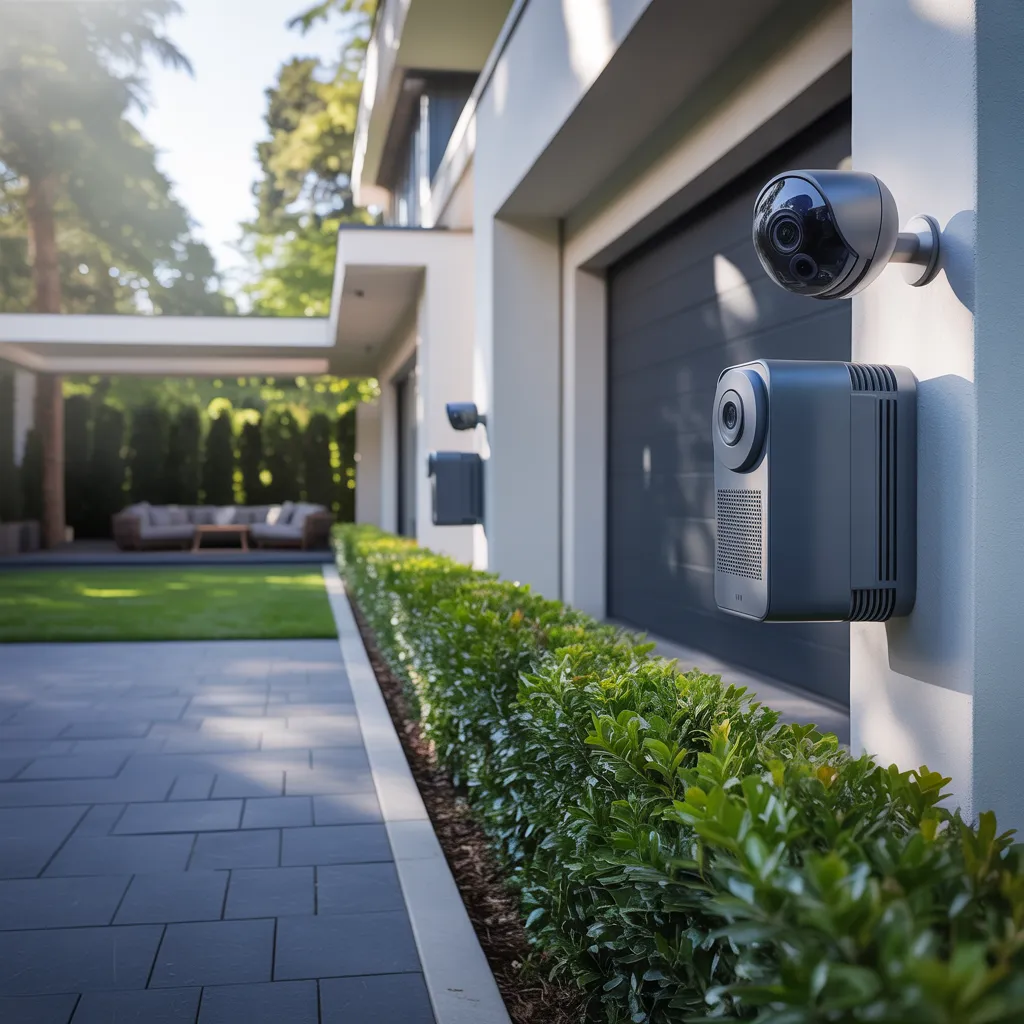
Comprehending the Significance of Home Security
As homeowners increasingly recognize the value of safety, understanding the importance of home security has become essential. The increase in property crimes has made homeowners more cognizant of potential vulnerabilities in their living spaces. A secure home not only safeguards physical belongings but also fosters a sense of peace and well-being among residents.
Implementing comprehensive security measures can deter intruders and offer a layer of protection for families. This includes examining entry points, utilizing quality locks, and ensuring proper lighting around the premises. Additionally, the psychological rewards of a secure environment must not be dismissed; families can thrive when they feel safe in their own homes.
Within a landscape of constant uncertainties, putting resources into home security represents a forward-thinking approach to securing those you care about and elevating life quality. Knowledge and initiative in this area enable property owners to assume command of their protection and asset security.
State-of-the-Art Security Systems: Delivering 24/7 Security Watch
What methods enable homeowners to properly supervise their residences amid rising safety challenges? Advanced surveillance systems offer a robust solution, facilitating attentive oversight of domestic properties. These systems typically include HD recording devices, activity monitors, and low-light observation technology, providing comprehensive monitoring 24/7.
Homeowners can select from wired and wireless choices, providing versatility based on their particular requirements. Many systems also deliver remote access using smartphones, enabling users to view live feeds and receive warnings in real time.
Moreover, features like facial recognition and cloud storage strengthen security by providing valuable data that can deter potential intruders. Integrating advanced surveillance systems into home security plans not only cultivates a sense of safety but also allows homeowners to take proactive measures against threats. As technology advances, these systems remain an essential component of modern home security strategies, ensuring peace of mind for families.
Smart Home Technology: Strengthening Security and Convenience
More and more homeowners are embracing smart home technology to enhance both security and convenience. This innovative approach connects various devices, permitting users to control their home environment remotely through smartphones or tablets. Smart locks, for example, allow homeowners to secure their doors from anywhere, offering peace of mind and eliminating the worry of forgotten keys.
Moreover, smart cameras offer real-time monitoring and alerts, strengthening situational awareness. Homeowners can receive notifications of unusual activities, permitting them to respond promptly. Smart lighting systems can simulate occupancy, preventing potential intruders by creating the illusion of an occupied home.
Additionally, voice-activated assistants can enhance daily tasks, consequently increasing convenience. By integrating security features with user-friendly interfaces, smart home technology not only safeguards property but also enriches the overall living experience. As these technologies grow more accessible, the movement towards smart homes continues to develop, reflecting a notable shift in home security approaches.

Security Alarm Systems: The First Line of Defense
Security systems act as an essential protection against intruders, providing various types tailored to different security needs. These systems can be fitted with monitoring options, offering homeowners with real-time alerts and professional oversight. Understanding the available choices secures ideal protection for any residence.
Types of Alarm Systems
Home security is often fortified by various types of alarm systems, all engineered to fulfill different preferences and requirements. A standard option is the intrusion alert system, which detects unauthorized entry through sensors placed on doors and windows. Another type is the fire detection system, fitted with heat and smoke sensors to warn occupants of possible fires. In addition, there are environmental detection systems that track hazards including flooding or carbon monoxide. Wireless systems are becoming increasingly popular due to their installation simplicity and adaptability, while wired systems deliver reliable, stable functionality. Intelligent alarm systems merge with home automation platforms, offering smartphone-based remote access and management. Every variety serves a vital function in improving home security and providing homeowner confidence.
Understanding Monitoring Choices
Although different alarm systems offer vital security, these systems' effectiveness largely depends on the monitoring options implemented. Homeowners typically have three primary choices: self-monitoring, professional monitoring, and hybrid systems. Self-monitoring allows individuals to receive alerts and respond to incidents through their smartphones, offering flexibility but requiring constant attention. Professional monitoring, on the other hand, ensures round-the-clock learn about this vigilance by trained personnel who can alert authorities as needed. Hybrid systems merge both methods, allowing homeowners to monitor their alarms while also receiving professional oversight. Each option offers unique advantages and challenges, making it vital for homeowners to evaluate their lifestyle and security needs. In the end, the right monitoring decision strengthens the reliability of alarm systems, offering peace of mind.
Professional Surveillance Services: Complete Security 24/7
When a security system is integrated with professional monitoring services, homeowners receive an invaluable layer of protection that operates around the clock. These services make certain that trained professionals are always on alert, ready to respond to any security breaches or emergencies. In the event of an alarm, the monitoring center promptly assesses the situation and contacts the local authorities if necessary, considerably reducing response times.
Expert monitoring solutions offer an additional sense of safety, enabling residents to feel safe even when they are away from home. This constant vigilance is particularly important for families with children or elderly members, providing peace of mind that help is just a call away. Furthermore, many professional monitoring providers offer smartphone application capabilities, enabling homeowners to monitor their security status in real-time. All things considered, these services strengthen a home's security system, guaranteeing that safety is never compromised.
Home Integration Systems: Combining Security Within Daily Life
Smart home technology provides a seamless way to integrate security into everyday living. By employing smart devices, homeowners can oversee their properties remotely and receive live updates about potential threats. This combination boosts not only safety but also convenience, allowing individuals to operate their security systems seamlessly.
Smart Device Connectivity
In what ways can homeowners efficiently merge safety measures with routine comfort? Connected device integration delivers an effortless answer. Through linking security setups with home automation systems, property owners can improve safety while streamlining everyday tasks. Components including smart locks, security cameras, and motion detectors can be operated through a unified app, permitting users to track their home conditions seamlessly. For example, a smart doorbell camera enables homeowners to see who is at the door without leaving their couch. Moreover, automated illumination can prevent potential burglars by creating the appearance of occupancy. This combination encourages a forward-thinking method to home safety, as alerts and messages can be transmitted directly to smartphones, making certain that homeowners stay notified while juggling their active lifestyles.
Advantages of Remote Monitoring
While the integration of home automation systems improves daily life, the advantages of remote monitoring stand out as a essential aspect of modern security solutions. Remote monitoring offers homeowners real-time access to their property, enabling them to monitor activities and security breaches from anywhere. This capability considerably reduces response times in emergencies, as homeowners can alert authorities immediately. Furthermore, remote monitoring systems often include alerts and notifications, guaranteeing that users are alerted to any unusual activity instantly. The peace of mind that comes from knowing one can monitor their home while away results in a greater sense of security. Finally, remote monitoring seamlessly integrates with home automation, boosting both safety and convenience for families.
Selecting the Ideal Security Solutions for Your Residence
Picking the right security solutions for a property requires careful consideration of multiple factors. Homeowners should first examine their unique security needs based on the property's layout, neighborhood crime rates, and personal lifestyle. Evaluating the types of threats—such as burglary, vandalism, or fire—can help prioritize necessary features.
Budget constraints are also essential; effective solutions range from basic alarm systems to sophisticated smart home integrations. Homeowners may choose between DIY systems or professional installations, each offering specific advantages.
In addition, the integration of technology performs a vital role in contemporary security solutions. Choices like surveillance cameras, motion detectors, and remote monitoring systems boost overall safety.
Working with security experts can deliver valuable insights suited to individual circumstances. In the end, the right choice will blend robust protection with convenience, providing peace of mind for the entire household.
FAQ
How Much Should You Expect to Pay for a Comprehensive Home Security System?
A thorough home security system typically ranges between $200 to $2,000, determined by features, equipment, and installation. Monthly monitoring fees may contribute an additional $20 to $60, shaping the overall investment in residential protection.
Can I Set Up a Home Security System by Myself?
Yes, many individuals can install a home security system themselves. Several self-installation choices are accessible, enabling property owners to personalize their configuration. Nonetheless, professional setup could supply enhanced experience and assure superior system operation.
What Security Threats Do Homeowners Most Commonly Face?
Property owners regularly encounter protection concerns including burglary, vandalism, theft, and cyberattacks. Nature-related risks like fire and natural disasters also create significant threats, requiring the need for complete security measures to secure homes and inhabitants.
Are Security Systems Effective at Preventing Home Burglaries?
Home security systems are typically effective in stopping break-ins, as they deter would-be criminals and alert homeowners to suspicious activity. Studies indicate that homes with security measures experience reduced burglary rates compared to those without.
How Often Should I Upgrade My Home Security Measures?
Revising home security systems every six months is suggested. Routine reviews confirm that systems remain effective against evolving threats. Furthermore, enhancing technology and protocols can strengthen overall protection and adapt to new security challenges.